
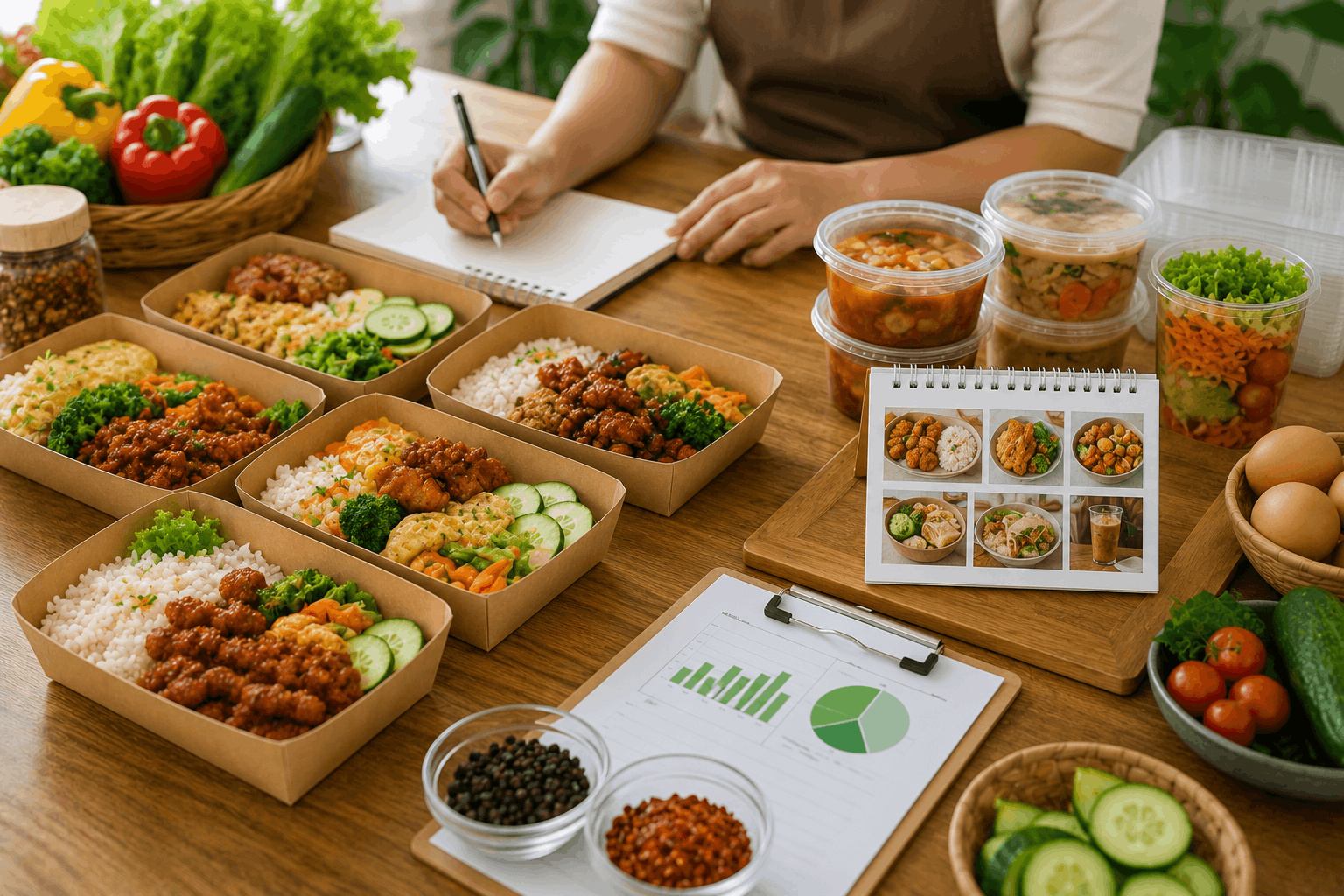
A well-planned daily menu is an important part of running a successful home-based food business. Instead of offering too many choices, entrepreneurs should focus on creating a menu that is easy to prepare, profitable, and attractive to customers. A simple and well-organised menu can make daily operations easier while helping the business maintain consistent food quality.
Choosing the right menu items starts with understanding customer preferences. Entrepreneurs can observe which dishes sell the most, which products receive positive feedback, and which items customers order repeatedly. By focusing on popular products, business owners can reduce unnecessary preparation and make better use of their ingredients and resources.
A profitable menu should also balance food costs and selling prices. Entrepreneurs should select ingredients that are affordable, readily available, and suitable for multiple dishes. Using common ingredients across different menu items can reduce waste and simplify stock management while still giving customers enough variety.
Menu variety can be created through simple changes rather than adding too many completely different products. For example, one main dish can be offered with different side dishes, portion sizes, or meal combinations. This approach gives customers more choices while allowing entrepreneurs to maintain an efficient preparation process.
Regularly reviewing the menu is another important step. Entrepreneurs should identify products that sell well and consider removing items that have low demand or require too much time and cost to prepare. Seasonal ingredients and customer feedback can also inspire new menu ideas and help keep the business relevant.
A profitable daily menu should make customers happy while supporting the financial health of the business. By understanding customer demand, controlling food costs, using ingredients efficiently, and reviewing menu performance regularly, home-based food entrepreneurs can create a sustainable menu that increases sales and supports long-term business growth.
_________________________________